Let’s talk menopause
Menopause and perimenopause are a normal part of life, but for something that affects so many people, they can still be surprisingly difficult to talk about.
Everyone’s experience is different. Perimenopause often begins in your 40s, although it can start earlier or later, and symptoms can be mild for some people, while for others they can significantly affect day-to-day life.
Understanding what’s happening and knowing where to find reliable information can make a real difference. The Australian Government Menopause and Perimenopause campaign provides evidence-based information to help you learn more about symptoms, managing symptoms, treatment options and where to get help.
You can also hear directly from health professionals. Specialist General Practitioner Dr Ramya Raman shares practical advice to help people better understand perimenopause and menopause, including what to look out for and the options available to help manage the transition.
Hear from others
Sometimes it also helps to hear from people who have been through it themselves. Through the Australian Government website, you can explore personal stories from women sharing their own experiences of perimenopause and menopause, including the changes they noticed, what they learned and the support they sought along the way.
Listen and learn
Wide awake at 3am wondering why your sleep, mood, body or energy suddenly feel different?
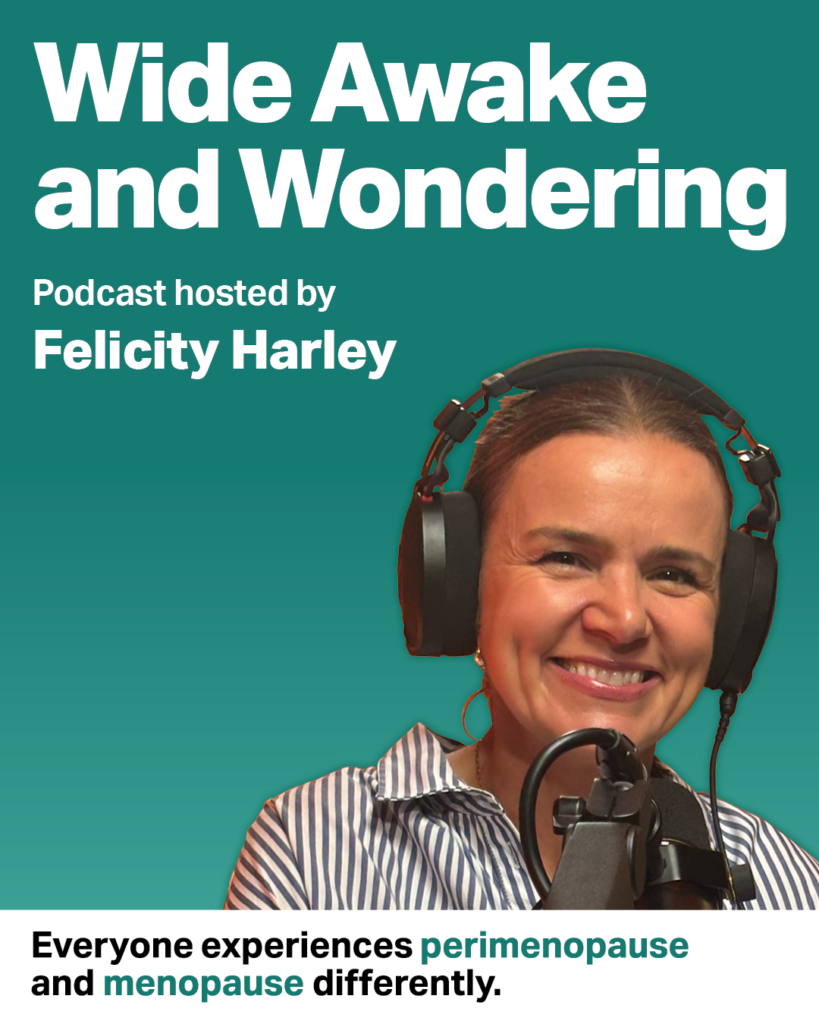
Wide Awake and Wondering is a five-part educational podcast series hosted by Felicity Harley and featuring women’s health experts.
The series explores the perimenopause and menopause transition, with practical advice to help you understand what might be happening and feel more prepared for what comes next. Because there’s no one-size-fits-all experience, it’s another way to hear different perspectives and learn more in your own time.
Listen to Wide Awake and Wondering on Spotify.
Whether you’re experiencing changes yourself, supporting someone you care about, or simply want to understand more, starting the conversation can help break down the stigma.
Learn more and explore the Australian Government’s menopause and perimenopause resources.